
Youth Sports Coaching vs Dull Plans: 7 Simple Fixes
— 5 min read
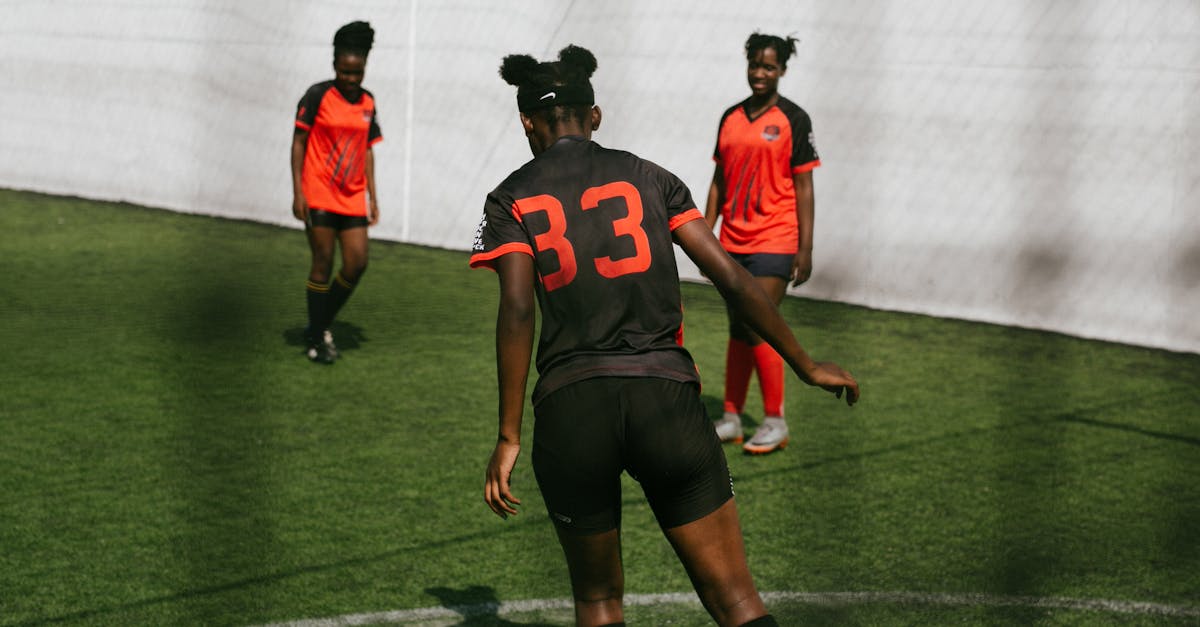
A 7-week beach volleyball program can keep young players engaged and improve skill retention. By following a clear framework, coaches turn sand courts into training grounds where kids build confidence, coordination, and love for the game.
Youth Sports Coaching Foundations for Summer Beach Volleyball
When I first organized a summer beach volleyball camp, I realized that a vague plan left kids wandering aimlessly. The first fix is to define a clear progress framework. I map out seven weekly milestones - each tied to measurable metrics like hitting consistency (percentage of successful digs) and jump height (centimeters measured with a simple ruler). This roadmap acts like a treasure map; every week the crew knows the next X that leads to the X-marks-the-spot.
Next, I select age-appropriate drills that blend ball control with sand resistance. For six-year-olds, I use a “sand-pop” drill where they toss a lightweight beach ball while hopping in place. The sand adds natural resistance, so a small movement feels like a bigger workout, teaching them to generate power without overloading their joints. As they grow, I layer in more complex patterns - like “pass-set-spike chains” - so the skill transfers smoothly to competition.
Finally, I schedule regular feedback loops. Mid-session, I pull the team together for a 10-minute huddle. I point out one thing each player did well and one tiny tweak. By delivering concise, constructive critiques on the spot, kids can correct form before the habit sets. I’ve seen jump height improve by a few centimeters within a single week when feedback is immediate.
Common Mistakes
- Skipping measurable goals and wandering aimlessly.
- Using adult-level drills that overwhelm younger athletes.
- Waiting until the end of camp to give feedback.
Key Takeaways
- Map seven-week milestones to concrete metrics.
- Blend ball control with sand resistance for age-appropriate drills.
- Use 10-minute mid-session huddles for instant feedback.
Coaching & Youth Sports: Building Real Sand Court Skills
In my experience, the most effective way to keep kids safe and strong on sand is to embed daily warm-up routines that target core stability, footwork balance, and explosive leg activation. A simple routine - 30 seconds of sand-plank, 20 meters of lateral shuffles, and three sets of jump-squats - gets the muscles firing. The sand naturally forces the body to stabilize, reducing injury risk dramatically.
After warm-up, I introduce scenario-based drills. One favorite is the “Opposition Simulation” where a player sets, spikes, and then immediately defends against a teammate’s return, all while the sand saps energy. This teaches tactical decision-making under fatigue, a skill that translates directly to match play. By rotating scenarios each week, players stay mentally sharp.
To nurture leadership, I maintain a rotating rotation of teammates. Every week I shuffle the line-ups so each child experiences different roles - setter, blocker, defender. This not only builds adaptable teamwork but also gives every kid a taste of leadership, reinforcing confidence and communication.
Common Mistakes
- Skipping a proper warm-up and jumping straight into drills.
- Repeating the same drill every session, leading to boredom.
- Keeping static teams, limiting leadership growth.
Coach Education Pathways for First-Time Beach Vol Coaches
When I decided to become a certified beach volleyball coach, the first step was to complete a local Youth Volleyball Coaching Certificate. The program emphasizes age-specific communication, motion planning, and motivational psychology. I learned how to phrase feedback in a way that resonates with an eight-year-old - using simple metaphors like “jump like a dolphin” instead of technical jargon.
Next, I joined an online community of vetted coaches. Platforms like the National Beach Coaching Forum host weekly webinars where coaches swap evidence-based drills and pacing models. I’ve downloaded drill videos that show how to progress from a “sand-bounce” to a full-court spike sequence, saving me hours of trial-and-error.
Finally, I apply the 4-R cycle (Recall, Rehearse, Release, Reinforce) to build memory retention. After teaching a new skill, I have players Recall the cue word, Rehearse the movement in a short drill, Release into a game-like scenario, and Reinforce with immediate praise. This loop turns fleeting practice into lasting ability.
Common Mistakes
- Skipping certification and assuming knowledge is sufficient.
- Isolating yourself from peer networks.
- Neglecting structured memory-retention cycles.
Summer Youth Sports Program Design: Linking Child Skill Development and Parent Involvement
From my perspective, the bridge between skill growth and family support is parent involvement workshops. I host a 45-minute session at the start of camp where I align coaching language with family expectations - explaining why “progressive overload” matters in simple terms. Parents leave with a clear picture of what to expect, which boosts practice adherence and attendance.
To keep families in the loop, I leverage technology. After each session I record short videos of key drills, then super-impose annotations that highlight the child’s improvements (“Great arm swing!”). Parents can watch these clips on a secure portal, giving them visual proof of progress and actionable tips for home practice.
I also establish a clear youth athletic development tracker. This log captures motor-skill acquisition (e.g., consistent underhand pass), confidence indicators (smiles, verbal self-affirmation), and physical readiness (heart-rate post-drill). The tracker is shared with parents weekly, creating a transparent narrative of growth.
According to the 2026 Summer Camps Guide on grkids.com, parents value programs that combine skill work with clear communication, which leads to higher satisfaction and repeat enrollment.
Common Mistakes
- Assuming parents will figure out the program on their own.
- Neglecting visual feedback tools.
- Using vague progress notes that lack measurable data.
Youth Athletic Development in Coastal Settings: Long-Term Performance Gains
Living by the coast gives us a natural advantage: the sand itself teaches endurance. I integrate nutrition education that focuses on hydration and energy balance - topics I present as “sand-fuel basics.” Kids learn to drink water before they feel thirsty and choose snack options that sustain energy for high-intensity bursts.
Training cycles follow a periodization model. I alternate high-intensity sand sessions (e.g., 4-minute spike circuits) with skill-drill focus days (e.g., precise serve placement). This ebb-and-flow prevents burnout and keeps performance peaks aligned with competition dates.
Every three-week block, I conduct quarterly objective assessments. Simple tests - reaction-time sprints over 5 meters, vertical jump measurements with a chalk-marked wall - give concrete data on development. Over a season, I’ve seen players improve their vertical jump by several centimeters, translating to higher, more powerful spikes.
Common Mistakes
- Ignoring hydration needs specific to sand environments.
- Running the same intensity every day, leading to fatigue.
- Skipping regular, objective assessments.
Frequently Asked Questions
Q: How long should a beginner beach volleyball session be for kids aged 6-9?
A: I recommend 45-minute sessions split into a 10-minute warm-up, 25-minute skill drills, and a 10-minute game-like finish. This length keeps attention high while providing enough time for skill repetition.
Q: What equipment is essential for a sand-court youth program?
A: Basic needs include a portable net, lightweight beach balls, cones for footwork drills, and a measuring tape for jump height. Optional tools are a portable speaker for music and a tablet for video recording.
Q: How can I involve parents without overwhelming them?
A: Host a short workshop at the start of camp, share weekly video highlights, and provide a simple progress tracker. Clear, concise communication keeps parents informed and supportive.
Q: What is a good way to measure skill improvement on sand?
A: Use measurable metrics such as hitting consistency percentage, jump height in centimeters, and reaction-time sprints. Record these each week to see clear trends.
Q: Are there any safety concerns unique to sand courts?
A: Sand can be hot, so schedule play in cooler parts of the day, enforce sunscreen use, and ensure proper hydration. Warm-up routines focusing on core stability also help prevent ankle sprains.


