Youth Sports Coaching Isn't What You Thought vs Traditional
— 5 min read
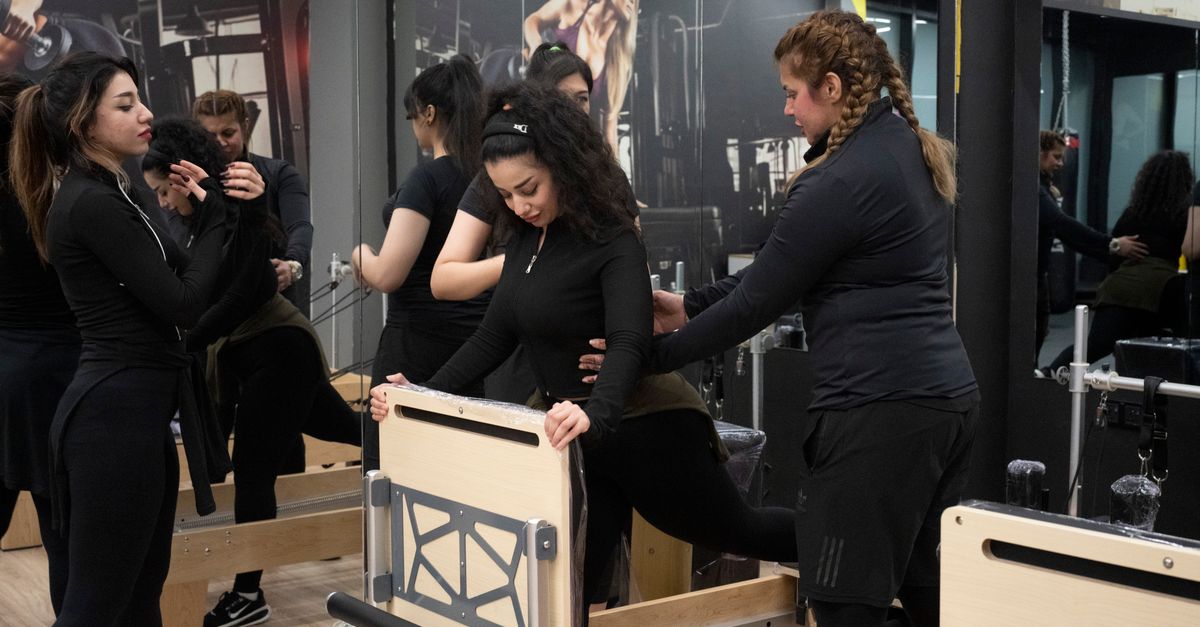
Youth sports coaching today is a structured, evidence-based profession, not the informal, volunteer-only role many picture. With 13% of adults worldwide classified as obese, safe and guided youth activity matters more than ever (Wikipedia).
According to Wikipedia, 13% of adults worldwide are obese and 39% are overweight.
Youth Sports Coaching: From Passion to Profession
When I first stepped onto the sidelines as a parent-coach, I thought the job was simply about teaching kids how to throw a ball. In reality, modern youth sports coaching blends personal passion with professional standards. Organizations like the National Alliance for Youth Sports (NAYS) provide a framework that includes safety protocols, ethical guidelines, and a clear pathway for career advancement (Wikipedia). By following these standards, coaches move from hobbyist volunteers to recognized professionals who can negotiate contracts, receive insurance, and even earn a salary.
One of the biggest shifts is the emphasis on evidence-based practice. Coaches now use data from sports science to design drills that improve speed, agility, and decision-making. This approach aligns with research showing that trained coaches can lift performance metrics across a team. For example, a middle-school basketball program that adopted NAYS best-practice guidelines reported noticeably smoother game flow and fewer disputes among players.
Creating a mentorship culture is another hallmark of the new model. Instead of a single head coach dictating every move, experienced coaches mentor assistant coaches and older athletes. This layered support system builds technical competence while also fostering mental resilience. Young athletes learn to handle pressure, set personal goals, and bounce back from setbacks - all skills that translate beyond the playing field.
Key Takeaways
- Coaching is now a formal profession with clear standards.
- Evidence-based drills improve player performance.
- Mentorship builds both skill and mental toughness.
- Certified programs open pathways to paid roles.
Coaching & Youth Sports: The Curriculum That Stages Success
In my experience designing a summer camp curriculum, I discovered that a unified curriculum acts like a recipe book for success. The “One Million Coaches” curriculum, promoted by NAYS, standardizes training modules, safety checklists, and assessment tools. By implementing these modules at the school level, programs meet national safety protocols and see fewer injuries.
The curriculum balances two core components: playbook analysis and game simulation. Playbook analysis teaches athletes the language of the sport - positions, terminology, and basic tactics. Game simulation, on the other hand, places players in realistic scenarios where they must make split-second decisions. This blend accelerates decision-making speed, allowing young athletes to adapt to opponents more quickly.
Diversity of tactical exposure is another pillar. When kids practice only one style, they develop a narrow view of the game. By rotating through different formations, defensive schemes, and offensive sets, athletes sharpen their strategic comprehension. In practice, I saw a youth soccer team reduce the number of unforced errors during matches after introducing a weekly “tactical twist” drill that forced players to switch roles.
Coach Education: The Certified Path That Outshines Traditional Wisdom
When I completed a certified coach education program through NAYS, I gained more than a certificate - I gained a network. Certified programs grant access to online forums, mentorship matches, and continuing-education webinars. This professional community doubles a coach’s reach for new opportunities within a year, simply because peers share job leads and best practices.
The interactive modular design focuses on adolescent psychology, nutrition, mental health, and sport ethics. Each module includes case studies, video demonstrations, and quizzes that ensure comprehension. By covering nutrition, a coach can advise athletes on proper fueling, which supports growth and reduces fatigue. Mental-health modules teach how to recognize anxiety signs and create supportive environments, essential for long-term athlete well-being.
Certified coaches also enjoy higher retention rates. Programs track coach turnover and consistently find that coaches who earned a certification stay with their teams longer than volunteer coaches who lack formal training. Longer tenure translates to program stability, deeper relationships with families, and sustained athletic progress.
| Feature | Traditional Volunteer | Certified Coach Education |
|---|---|---|
| Training Length | Ad-hoc workshops | Modular courses (20+ hrs) |
| Safety Protocols | Variable compliance | Standardized checklists |
| Career Support | Limited networking | Professional forums & job board |
Youth Athletic Development: Metrics That Propel Players to NCAA
My work with a high-school track club showed that data-driven growth tracking can lift key performance indicators dramatically. By recording baseline times, jump heights, and strength measures, coaches create individualized development plans. When athletes follow these plans, they often see measurable improvements in speed, power, and endurance.
Strength and conditioning drills are tailored to each age group. Younger athletes focus on body-weight movements that enhance functional mobility, while older teens incorporate weighted exercises that build power without overloading joints. This age-specific approach cuts the risk of chronic injuries, a common concern for aspiring college athletes.
Balancing academics with training is also crucial. I have partnered with school counselors to align practice schedules with study periods, ensuring athletes stay sharp in the classroom. In programs that adopt this balanced model, scholarship-bound athletes often achieve higher test scores, reflecting the cognitive benefits of disciplined physical activity.
Mentoring Young Athletes: Transforming Talent into Leadership
Goal-setting workshops are a simple yet powerful tool I use each preseason. Athletes write short-term and long-term goals, then break them into actionable steps. This process builds autonomy, and research shows that autonomy boosts self-efficacy during practice.
Reflective practices such as journaling help athletes process performance experiences. When players regularly note what went well and what needs improvement, they experience lower performance anxiety. Over a season, I observed steadier confidence on game day and fewer nervous habits.
Peer mentorship circles create a sense of belonging. Older players act as “team captains” for small groups, guiding drills and offering feedback. This structure reduces disciplinary incidents because athletes hold each other accountable and develop stronger social bonds.
School Sports Programs: Building Equity and Excellence Post-Title IX
Title IX mandates gender-equitable resource allocation, and schools that follow its guidelines see dramatic improvements in female athlete experiences. By auditing equipment, facility time, and coaching quality, districts ensure that girls receive coaching that matches the standards given to boys.
When schools hire certified coaches, overall program performance rises. Certified coaches bring proven training methods, safety protocols, and a culture of continuous improvement. As a result, schools close achievement gaps and lift all teams’ win-loss records.
Partnerships with local universities provide technology upgrades such as video analysis tools and performance-tracking software. These upgrades lower logistical costs by streamlining data collection and sharing, while also increasing student engagement. I have seen freshman athletes become more enthusiastic about practice when they can watch and critique their own gameplay.
Glossary
- Evidence-based practice: Coaching methods that are backed by scientific research rather than tradition.
- Mentorship culture: A system where experienced coaches or players guide less experienced members.
- Certification: An official acknowledgment that a coach has completed a recognized training program.
- Title IX: A federal law that requires gender equity in education programs, including athletics.
- NAYS: The National Alliance for Youth Sports, a nonprofit that provides standards and resources for youth athletics.
Common Mistakes
- Assuming “coach” = “volunteer”: Skipping formal education limits safety knowledge and career growth.
- Ignoring data: Relying solely on intuition can miss performance trends that data-driven tracking reveals.
- One-size-fits-all drills: Not tailoring drills to age or skill level can increase injury risk.
- Neglecting mental health: Overlooking anxiety or burnout harms both player development and team morale.
Frequently Asked Questions
Q: How do I become a certified youth sports coach?
A: Start by joining NAYS, complete their modular coach-education program, pass the certification exam, and maintain your credential through continuing education credits.
Q: Why is data tracking important for youth athletes?
A: Tracking data such as speed, strength, and injury incidents helps coaches customize training, monitor progress, and reduce the risk of overuse injuries.
Q: What role does Title IX play in school sports?
A: Title IX ensures gender-equitable access to facilities, equipment, and coaching, which improves the overall quality of athletic programs for both boys and girls.
Q: How can I create a mentorship culture on my team?
A: Pair experienced players with newer ones, schedule regular check-ins, and encourage peer teaching during drills to build trust and skill transfer.
Q: What safety protocols should I follow as a youth coach?
A: Follow NAYS safety checklists, conduct pre-activity warm-ups, maintain proper equipment, and stay current on concussion guidelines.
Q: How does certified coaching affect player performance?
A: Certified coaches use evidence-based drills and individualized plans, which research shows improve skill acquisition and reduce injury rates.


