
Youth Sports Coaching Dads vs Teen Angst Winning Playbook
— 6 min read
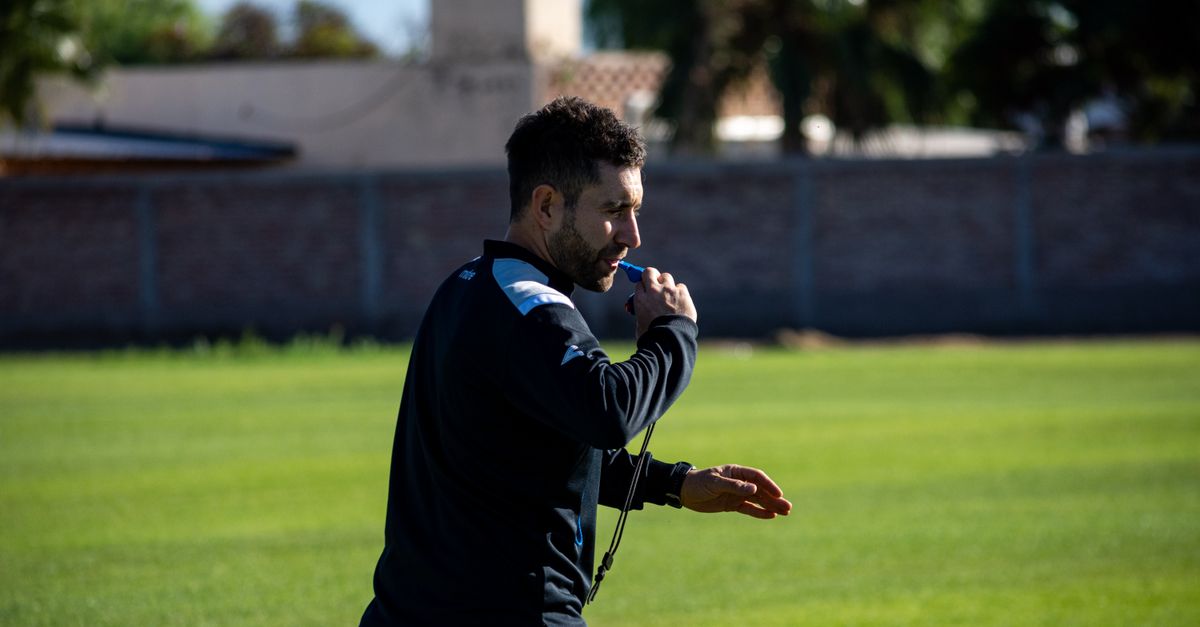
Dad coaches can instantly shift nervous teen athletes into focused, motivated players by mastering clear communication, trust-building rituals, and purpose-driven drills. In 2025, many dad-coaches discovered that a handful of strategic questions unlock confidence and performance.
Youth Sports Coaching Foundations for Dad Coaches
When I first stepped onto the soccer field as a dad-coach, I realized that the most powerful tool was preparation. Mapping the local league’s rule set and timeline is like checking the weather before a road trip - it tells you what roads are open and what gear you need. I start by printing the league handbook, highlighting age-specific rules, and noting the season’s start and end dates. Then I compare those dates with my son’s current skill level, which I assess through a quick skills inventory: dribbling, passing, and game awareness. This matching process keeps practices relevant; instead of generic drills that feel like schoolyard games, each session targets a skill gap that matters now. Next, I introduced a three-step goal-setting protocol that feels like planning a vacation. First, I help the team visualize a season objective - for example, “play a tight defensive line.” Second, we break that big dream into weekly targets, such as “hold a 4-2-4 shape for ten minutes.” Finally, we celebrate each milestone with a tangible reward, like a custom wristband or a family-pizza night. The reward system reinforces effort the same way a child feels proud after earning a gold star. Consistent, short feedback loops are the third pillar. After each drill, I ask three quick questions: what felt good, what feels hard, and what action you will tackle next. This mirrors a sprint review in a software team - it closes the loop fast and gives the teen ownership of improvement. I keep the feedback under two minutes, so the energy stays high and the lesson sticks.
“Feedback loops that are brief and specific lead to faster skill acquisition,” says the Youth Sports Business Report.
Common Mistake: Skipping the rule-set review and jumping straight into drills often leads to confusion and wasted time.
Key Takeaways
- Map league rules to skill level before planning.
- Use a three-step goal system for season focus.
- Apply quick feedback loops after every drill.
- Reward milestones with tangible incentives.
- Avoid generic drills that ignore player development.
Dad Coaching Tips: Building Genuine Trust with Teens
Trust is the glue that holds a teen-focused team together. In my experience, the first five minutes before practice are like a coffee break with a friend - they set the tone for the whole day. I allocate this time for an informal chat: I ask about their favorite video game, validate any frustrations they voice, and then share a personal anecdote about a time I bounced back from a tough loss. That story shows resilience in a real, relatable way and tells them I’m not just a coach, I’m also a teammate. During tactical talks, I employ the “I hear you” technique. It works like a mirror in a dance studio - I repeat what the teen says, then nod and say, “I agree, and here’s a tweak.” For example, a player might say, “I feel crowded on the left wing.” I mirror, “You feel crowded on the left wing,” then add, “Let’s shift our formation to give you more space.” This approach demonstrates empathy and turns a directive into a collaborative decision. A written playbook solidifies expectations. I draft a simple one-page document that lists practice start times, behavior standards, and the limits on playtime. Every week we review it together, and I let my teen practice flipping responsibility by choosing which field position to cover in a drill. This ownership builds trust because they see that the rules are not imposed, they are co-created.
“Gifts that celebrate fatherhood, like a personalized playbook, reinforce the coaching bond,” notes British GQ.
Common Mistake: Jumping straight into drill instructions without a pre-practice check-in erodes trust quickly.
Teenage Soccer Communication: Listening First, Asking Later
Listening is the silent hero of any coaching conversation. I start each session with a three-question pre-warm checklist that feels like a quick health screen: “How are you feeling today?” “What challenge did you face in the last game?” and “Which skill would you love to master this week?” These questions surface emotions before we even pick up a ball. Next, I introduce a 30-second “silent listening” buffer. As soon as the teen finishes speaking, I wait a breath, then paraphrase: “So you felt the left side was too tight, and you’d like more space on your right foot.” This confirms I heard correctly and aligns us before I add any advice. It’s similar to a therapist’s technique of reflective listening, and it prevents miscommunication. The “teach, check, tweak” cycle keeps dialogue alive. I demonstrate a move, watch the teen apply it for two plays, then ask, “What needed a tiny edit?” This question invites them to critique the drill, turning the teen from a passive receiver into an active problem-solver. Over time, the teen learns to self-correct, which reduces anxiety because they realize they have the tools to adjust on the fly.
Common Mistake: Asking multiple questions back-to-back without giving the teen space to process leads to rushed, shallow answers.
Parent Coaching Strategies for Motivation Drills That Stick
Motivation drills work best when teens feel ownership. I created the “Ownership Drill” where each warm-up begins with the player setting a personal skill target - for instance, “I will complete ten accurate passes.” They record progress on a simple chart, and at the end of practice I post a snapshot on our family group chat. Public acknowledgment turns a private goal into a shared celebration, much like posting a badge on social media. To keep attention sharp, I use “Feedback Flags.” I give each player a red and green card. When a move needs improvement, I flash red; when it’s spot-on, I flash green. This visual cue works like traffic lights, instantly signaling what to fix without interrupting the flow of the game. It also teaches teens to self-monitor - they start looking for their own green moments. Finally, I schedule a weekly high-intensity interval quiz. The quiz mixes quick-fire tactical questions with short sprint challenges. Scores earn privileges: a favorite snack, first pick of the drill order, or extra ball-time. Pairing reward with effort creates a clear link between hard work and fun outcomes, much like earning a level-up in a video game.
Common Mistake: Relying solely on verbal praise without tangible acknowledgment can make motivation fade quickly.
Trust Building in Youth Sports: Reducing Nervousness
Pre-game rituals are the secret sauce for calming nerves. I lead the team in a short mantra routine where everyone repeats, “We play together, we trust each other, we give our best.” This repeated affirmation works like a warm-up stretch for the mind, lowering cortisol and creating a collective sense of calm. After every hard match, I schedule a one-on-one check-in on the following Monday. We discuss what felt uncomfortable, then map a concrete plan: “Next week we’ll practice the left-back press for ten minutes.” This follow-up shows the teen that setbacks are temporary and that we have a roadmap to improve belief. Celebrating non-wins is a powerful trust builder. I make a point to loudly praise defensive hustle, sideline encouragement, and clear communication, even when the scoreboard doesn’t reflect a victory. By highlighting effort over outcome, I reinforce the idea that value isn’t tied only to wins, which steadies even the most jittery teen.
Common Mistake: Only celebrating goals scored can make teens feel their other contributions are invisible.
Glossary
- Feedback Loop: A brief exchange where a coach gives specific input and the player reflects on it.
- Cortisol: A stress hormone that can affect performance when levels are high.
- Mantra Routine: A repeated positive phrase used to focus and calm the mind.
- Ownership Drill: A practice activity where players set and track personal skill goals.
FAQ
Q: How often should a dad coach hold a pre-practice check-in?
A: I aim for a five-minute informal chat before every practice. It’s short enough to fit into busy schedules but long enough to surface any concerns or excitement.
Q: What’s the best way to celebrate a teen’s effort when the team loses?
A: Highlight specific actions like a great tackle or a smart pass, and give a tangible reward such as a “Hustle Hero” badge. This shows value beyond the final score.
Q: Can the “Feedback Flags” system be used for sports other than soccer?
A: Absolutely. Red and green signals work in basketball, baseball, and even individual training sessions, because they provide instant, non-verbal feedback.
Q: How do I keep the written playbook from becoming a boring document?
A: Use a colorful one-page template, include emojis for each rule, and review it together weekly. Let the teen suggest edits so the playbook feels alive.
Q: What if my teen resists the mantra routine?
A: Start with just one sentence and let the teen choose the wording. When they co-create the mantra, it feels personal and less forced.


