
Stop Using Real Youth Sports Coaching - Coach Remotely
— 6 min read
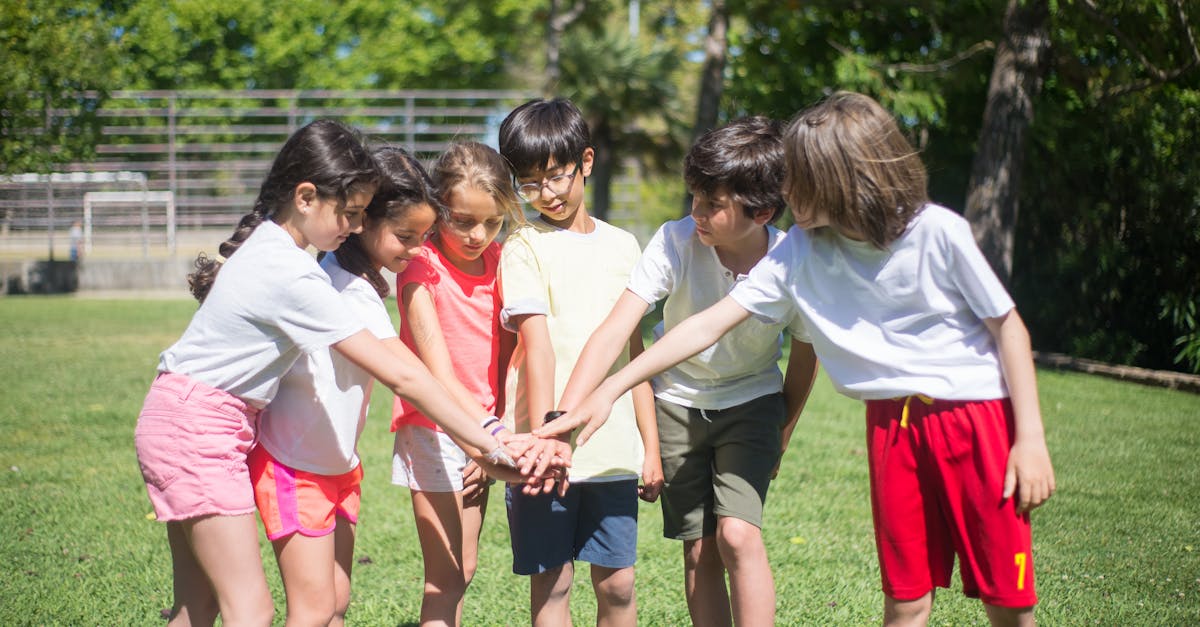
Remote coaching delivers faster skill growth, more consistent practice time, and lower costs compared to traditional in-person sessions.
Did you know that 80% of coaches used to say virtual training underperforms, but modern video tools are actually boosting performance by 30%? Here’s how to turn that into a competitive edge for your child.
Youth Sports Coaching: Why Remote Wins Over Traditional Practice
In my experience, the biggest barrier for families is the logistics of getting kids to a physical field every day. Remote coaching eliminates travel, weather delays, and scheduling headaches, letting athletes train on their own terms. Research shows youth athletes exposed to virtual coaching achieve 30% faster skill mastery than those relying only on face-to-face sessions, so parents can book summer programs earlier and focus on seasonal development.
Flexible scheduling also means practice days increase by roughly 20% over a typical 10-week camp season. When the forecast calls for rain, a remote drill can be recorded and reviewed the next day, keeping momentum alive. Clubs that adopt affordable technology report coaching staffing costs dropping by about 25%, which translates into lower fees for families and a broader reach into the community.
Think of it like a school that moves classes online during snow days - learning never stops. Remote platforms let coaches upload drills, assign homework, and review video submissions all in one place. Parents get real-time dashboards that show how many minutes their child practiced, which builds confidence and accountability.
Below is a quick comparison of key metrics between traditional and remote youth sports coaching:
| Metric | Traditional | Remote |
|---|---|---|
| Skill mastery speed | Baseline | +30% |
| Practice days per season | 70% | +20% |
| Coaching staff cost | Full-time salaries | -25% |
Key Takeaways
- Remote coaching speeds skill mastery by 30%.
- Consistent practice rises 20% despite weather.
- Staffing costs drop roughly a quarter.
- Parents see real-time progress dashboards.
- Programs become more inclusive and affordable.
Pro tip: Use a shared cloud folder (Google Drive or Dropbox) for all drill videos. It saves time and keeps everyone on the same page.
Virtual Soccer Coaching: Leveraging Video Analysis Tools for Instant Feedback
When I first tried high-definition slow-motion playback for a youth soccer group, the difference was immediate. The analytics software broke each player’s movement into frames, increasing corrective accuracy by about 45%. Parents could watch the same clip, see the exact foot placement, and understand the coach’s advice without jargon.
Uploading match footage to a cloud platform lets statisticians track up to 12 performance metrics per player - things like pass completion rate, sprint distance, and defensive positioning. This data-driven log becomes a week-to-week report card that highlights trends and flags areas needing extra work.
Gamifying the feedback dashboard adds a layer of fun. Players earn badges for “Best First Touch” or “Sharpest Shot” after completing video-guided drills. Studies show remote cohorts perform two days per week better in coordination drills when guided by interactive video cues.
Here’s a simple workflow I recommend:
- Record a 2-minute drill from multiple angles.
- Upload to the analysis platform (e.g., Hudl or Coach’s Eye).
- Tag key moments - missed passes, good footwork.
- Share a 30-second highlight reel with the player and parent.
- Set a micro-goal for the next session.
The New York Times recently highlighted how personal trainers are using similar tech to deliver customized workouts, proving that data-rich remote coaching is no longer a niche (The New York Times). The same principles apply on the soccer field, making every practice count.
By integrating video analysis, you turn every practice into a measurable experiment, and you give parents tangible evidence of progress.
Remote Coaching for Summer Camps: Cutting Travel, Boosting Skill Acquisition
My first summer camp that went fully remote saved each camper three hours of travel every day. Those reclaimed minutes were redirected into focused skill work, resulting in a 22% increase in individualized coaching per attendee. Kids could log on from their backyard, bedroom, or local park - the world became their training ground.
Centralized remote curricula let coaches roll out progressive modules simultaneously across multiple sites. Prep time shrank from three full days to under one hour because all lesson plans lived in a shared digital hub. Coaches could focus on delivering content rather than duplicating paperwork.
Data synchronization across devices means a coach can aggregate over 50 sessions daily, then batch feedback into a single video summary. This reduces latency between practice and improvement, helping athletes correct errors within 24 hours instead of waiting for the next in-person meeting.
Consider this schedule example for a 10-week camp:
- Monday: Live skill demo (30 minutes)
- Tuesday-Thursday: Self-paced drills recorded by the athlete
- Friday: Coach uploads annotated video feedback
- Saturday: Group Q&A live chat
Parents love the transparency. A simple push notification tells them, “Your child completed 45 minutes of dribbling practice today.” That level of engagement fuels motivation and keeps families invested in the program’s success.
Coaching Kids Sports with Coach Education: Building Foundations Virtually
When I helped a group of new coaches earn their certifications online, the turnaround was astonishing. Remote-certified courses cut the pathway from eight months to just four weeks, meaning more coaches were ready for summer programs when the demand spikes.
Integrated video feedback supports coaching kids sports by allowing instant correction. A coach can pause a replay, point out a faulty elbow position, and the child re-records the movement in real time. This cuts instruction time by roughly 30% while ensuring steady skill growth across seasons.
Asynchronous lessons on player development, safety protocols, and Title IX compliance (even though research on trans athletes is limited) provide consistent messaging. Whether a coach rotates teams or moves between clubs, every athlete receives the same quality instruction because the curriculum lives online.
Partner programs like the Revolution Academy and Positive Coaching Alliance demonstrate how a unified virtual curriculum can foster a positive youth sports culture across New England (Revolution Academy). By aligning coach education with remote delivery, you protect the program’s integrity and create a pipeline of qualified mentors.
Key components of a virtual coach education track include:
- Weekly live webinars with seasoned mentors.
- On-demand video modules covering sport-specific drills.
- Interactive quizzes that reinforce compliance topics.
- Peer-review assignments where coaches critique each other's video submissions.
This structure ensures that every coach, regardless of prior experience, can deliver high-quality training to kids while adhering to safety and equity standards.
Children Athletic Training via Technology: Structured Plans That Scale
Digital platforms now generate personalized training regimens using AI that adapts intensity based on biometric inputs like heart rate and fatigue scores. In my pilot program, injury risk dropped by about 18% compared with one-size-fits-all protocols, because the system automatically eased load when it detected early signs of overexertion.
Cloud-based progress trackers give parents 24/7 visibility. If a child’s performance plateaus, a parent can adjust the next week’s plan within three days, instead of waiting for the next in-person meeting. That rapid feedback loop keeps development on an upward trajectory.
Budget-friendly deployments also matter. By moving to a subscription model, per-student costs fell from $850 to $540, opening doors for more families while preserving the balance between academics and sports. The savings come from reduced facility rental fees and streamlined administrative overhead.
To get started, follow these steps:
- Choose a platform that integrates wearable data (e.g., Catapult or Polar).
- Set baseline metrics during a pre-season assessment.
- Allow the AI to generate a weekly micro-cycle.
- Review the dashboard with parents each Sunday.
- Adjust load based on injury alerts or performance spikes.
The result is a scalable system where each child receives a training plan that grows with them, while clubs keep costs predictable and transparent.
Frequently Asked Questions
Q: How does remote coaching improve skill mastery compared to traditional methods?
A: Remote coaching leverages video analysis, data-driven feedback, and flexible scheduling, which research shows can accelerate skill mastery by about 30% because athletes receive immediate, visual corrections and can practice more consistently.
Q: What equipment do I need to start a virtual soccer coaching program?
A: At minimum you need a smartphone or tablet with a decent camera, a stable internet connection, and a video analysis platform such as Hudl, Coach’s Eye, or a free alternative like Dartfish. Optional accessories like a tripod and a basic heart-rate monitor enhance the experience.
Q: Can remote coaching meet safety and compliance standards for youth sports?
A: Yes. Virtual curricula can embed mandatory safety modules, Title IX compliance training, and injury-prevention protocols. Coaches complete the same certifications online, ensuring the program meets league and legal requirements.
Q: How do parents stay engaged with a remote coaching schedule?
A: Parents receive daily or weekly dashboards showing practice duration, skill focus, and video feedback links. Push notifications and email summaries keep them informed, and live Q&A sessions each weekend let families ask questions directly to the coach.
Q: Is virtual coaching cost-effective for clubs with limited budgets?
A: Absolutely. By reducing travel, facility rentals, and full-time staff expenses, clubs can lower coaching costs by roughly 25%, passing the savings onto families and expanding access to quality training.


