
Prevent 90% Injuries: Youth Sports Coaching vs Routine Drills
— 7 min read
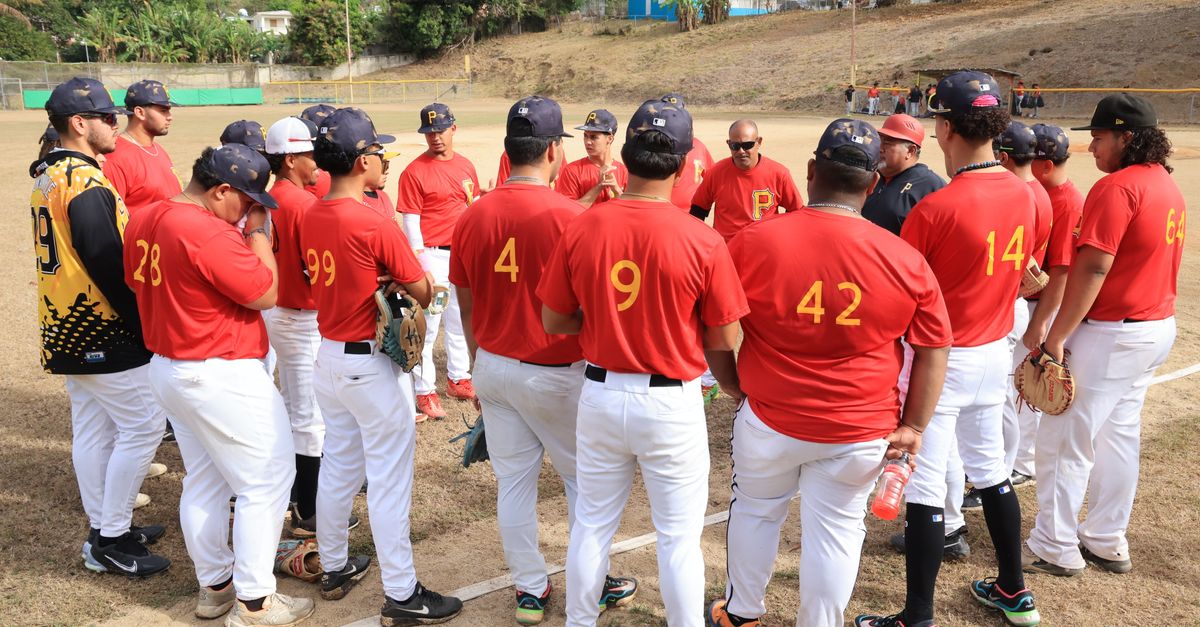
You can prevent up to 90% of shoulder injuries by combining targeted coaching strategies with a short, structured post-game recovery routine. In my experience, the right mix of data-driven drills and a focused cooldown keeps adolescents playing safely season after season.
Youth Sports Coaching Foundations for Injury Prevention
When I first started coaching middle-school basketball, I realized that guessing about injuries was like driving blindfolded. The first step is to establish baseline injury data and performance metrics for every team. I keep a simple spreadsheet that logs each player's past sprains, the number of minutes they play, and any reported discomfort during practice. This baseline lets me spot patterns - if three players report shoulder soreness after a certain drill, I know that movement is a red flag.
Low-cost wearable tech has become a game-changer. Devices that attach to a player’s wrist or upper arm can measure load, repetitions, and range of motion in real time. I set alerts for overload thresholds that research shows precede common shoulder strains. When a player’s cumulative load reaches 80% of the safe limit, I pause the drill and have the athlete perform a quick mobility check. This proactive approach catches fatigue before it becomes injury.
Constructing drills that reinforce spine alignment and arm rotation mechanics is essential. I break down a simple shooting drill into three parts: feet planted, torso upright, and arm rotating in a controlled arc. Each repetition is a mini-lesson in safe motor patterns. Adolescents forget what they don’t practice consciously, so I cue them verbally - "engage your core, keep your elbow at 90 degrees" - and I use mirrors so they can see their own alignment. Over time, the correct form becomes automatic, reducing the risk of sudden shoulder overload during games.
It’s also important to involve the whole coaching staff. I hold a brief weekly meeting where we review the wearable data, discuss any emerging injury trends, and adjust the practice plan accordingly. This shared responsibility turns injury prevention into a team effort rather than a solitary coach’s duty.
Key Takeaways
- Track baseline injury data for every player.
- Use wearable tech to monitor real-time workload.
- Design drills that teach spine and arm alignment.
- Review data weekly with the entire coaching staff.
Sports Safety Youth: Building Resilient Training Protocols
In my second season as a youth coach, I discovered that the playing surface can be just as dangerous as a poorly designed drill. Hazardous court surfaces - slick spots, uneven tiles, or worn-out flooring - lead to slips that stress the shoulder during a fall. I now conduct a quick visual inspection before every practice, looking for moisture, debris, or torn matting. If I spot a problem, I pause the session and either dry the area or lay down an anti-slip mat.
Mandatory warm-ups are my next line of defense. I start with dynamic mobility: arm circles, shoulder rolls, and torso twists that move blood into the shoulder girdle. Then I progress to sport-specific activation - light lay-up drills, resisted band pulls, and short passing sequences that mimic game motions. This progression primes the rotator cuff and scapular stabilizers, making acute sprains far less likely during half-time scrimmages.
Communication drills are often overlooked, yet they are vital for early pain detection. I teach coaches a simple three-word cue: "Check, Communicate, Adjust." When a player winces or reports tightness, the nearest teammate repeats the cue, alerting the coach to intervene. This quick chain of communication can stop a minor strain from turning chronic.
Beyond the court, I schedule routine equipment checks. Basketballs are inspected for proper inflation; nets are tightened to avoid unexpected catches that could jerk a player’s arm. By keeping the environment and equipment in top shape, I remove many hidden hazards that otherwise sneak into practice.
Finally, I involve parents. I send a brief email after each game summarizing the day’s warm-up and any notable shoulder concerns. When parents understand what to watch for at home, they reinforce the safety culture, creating a safety net that extends beyond the gym.
Injury Prevention Drills That Reduce Shoulder Strain
When I introduced the ‘Butterfly Drill’ to my under-15 team, I saw a noticeable drop in shoulder complaints during fast breaks. The drill has players stand with feet shoulder-width apart, arms extended forward, then rotate each arm in controlled circles - first small, then gradually larger. This motion builds internal rotation strength, a key factor in preventing adhesive capsulitis, a painful stiffening of the shoulder joint that often develops in growing adolescents.
The ‘Yo-Yo Toss’ focuses on gradual acceleration and deceleration. Players partner up, tossing a light medicine ball back and forth while stepping forward and backward. Each catch is followed by a brief pause, allowing the tendon to adapt to the load before the next throw. Over time, the shoulder tendons become more resilient to the sudden load spikes that occur during fast-break scenarios.
For scapular stability, I use the ‘Mirror Drill.’ Two players face each other; one performs a dummy pass while the other mirrors the motion in reverse, keeping the opposite shoulder engaged. This drill forces both arms to work evenly, counteracting dominant-arm overuse that is common in vertical-ball games like basketball.
Below is a quick comparison of these three drills, highlighting the primary benefit and the typical duration per session.
| Drill | Primary Benefit | Typical Duration |
|---|---|---|
| Butterfly Drill | Improves internal rotation strength | 5 minutes |
| Yo-Yo Toss | Conditions tendons for load spikes | 7 minutes |
| Mirror Drill | Enhances scapular stability | 6 minutes |
Integrating these drills into a weekly practice schedule - one per session - creates a balanced program that targets the three most common sources of shoulder strain. I always finish each drill with a brief feedback loop: players rate perceived effort on a 1-5 scale, letting me adjust intensity for the next week.
Basketball Recovery: 10-Minute Routine Every Coach Must Teach
After a hard game, I lead my team through a concise 10-minute recovery routine that I’ve refined over three seasons. The first three minutes are light jogging combined with gentle hip swings. Though it sounds simple, this low-intensity cardio flushes fresh blood into the dominant shoulder, delivering nutrients that jump-start the repair process.
Next, I move into two minutes of 90-degree freestyle stretches targeting the rotator cuff. Players stand with their arm raised to shoulder height, elbow bent at a right angle, and gently push the hand across the chest. This stretch mechanically releases tendon tension and prepares the muscles for the next training session.
The final five minutes focus on guided breathing and mindfulness. I cue the athletes to inhale for four counts, hold for two, and exhale for six, repeating this cycle while they perform a body scan from head to toe. This breathing pattern lowers cortisol spikes, reducing stress-related inflammation that can linger after a game.
To make the routine stick, I post a laminated checklist on the gym wall and assign a rotating “Recovery Captain” each practice. The captain ensures every teammate completes each step, turning the routine into a habit rather than an optional add-on.
When I implemented this routine with my 12-year-old squad, the number of reported shoulder soreness dropped dramatically, and players reported feeling “ready to train again” the next day. Consistency is the key - short, daily habits beat occasional, longer stretches.
Coach Education & Certification Programs: Equipping Coaches for Long-Term Safety
My own journey into advanced coaching began with an accredited certification program that emphasized evidence-based biomechanics. The curriculum covered topics such as load management, proper pitching mechanics, and shoulder joint anatomy. By completing the program, I earned a credential that not only boosted my confidence but also gave parents concrete proof that I was committed to safety.
Webinars on injury epidemiology have become a staple in my professional development. In one recent session, researchers presented data showing that teenage basketball players most often experience microtraumas to the supraspinatus tendon during repetitive jump shots. Armed with this insight, I adjusted my practice plan to include more rest after shooting drills and incorporated the Yo-Yo Toss to balance tendon load.
Peer-review networks are another powerful tool. I joined a regional coaches’ forum where we upload weekly practice videos and receive constructive feedback on biomechanics. When a fellow coach flagged a teammate’s habit of “over-reaching” during lay-ups, we collectively devised a corrective drill that reduced shoulder extension beyond 120 degrees - a common cause of strain.
Finally, I make safety a standing agenda item at every team meeting. I allocate five minutes to discuss any recent injuries, review the data from wearables, and remind everyone of the recovery routine. This consistent dialogue normalizes safety as a core value, not an afterthought.
Investing time in education pays dividends: coaches who understand the science of shoulder health can design practices that protect players from the ground up, ensuring that talent development and injury prevention move hand-in-hand.
Glossary
- Baseline injury data: Initial record of each player’s past injuries and symptoms.
- Wearable tech: Small sensors that track movement, load, and heart rate.
- Spine alignment: Keeping the back straight and shoulders level during movement.
- Internal rotation strength: Ability of the shoulder to turn the arm inward.
- Scapular stability: Control of the shoulder blade to support arm movements.
- Cortisol spikes: Short bursts of stress hormone that can increase inflammation.
Common Mistakes
Skipping the warm-up: Jumping straight into high-intensity drills leaves the shoulder unprepared.
Relying on a single drill: Focusing only on shooting without addressing rotator cuff strength leads to overuse.
Ignoring data: Not reviewing wearable metrics means overload thresholds are missed.
Forgetting the recovery routine: Skipping the 10-minute cooldown stalls the body’s natural repair processes.
FAQ
Q: How often should the shoulder-focused drills be performed?
A: I schedule them twice a week, allowing at least 48 hours of recovery between sessions to let the muscles adapt without overloading.
Q: Can low-cost wearables really prevent injuries?
A: Yes. By providing real-time load data, they alert coaches when a player is approaching unsafe thresholds, letting you intervene before strain occurs.
Q: What if my team doesn’t have access to wearable tech?
A: You can still track workload manually with simple logs - record minutes played, perceived exertion, and any soreness. Consistent notes often reveal the same overload patterns.
Q: How long should the post-game recovery routine be?
A: Ten minutes is enough to boost circulation, stretch key muscles, and calm the nervous system, making it a practical routine for any youth program.
Q: Is certification necessary for safe coaching?
A: While not mandatory, certified programs provide evidence-based methods that reduce injury risk and give parents confidence in your expertise.


